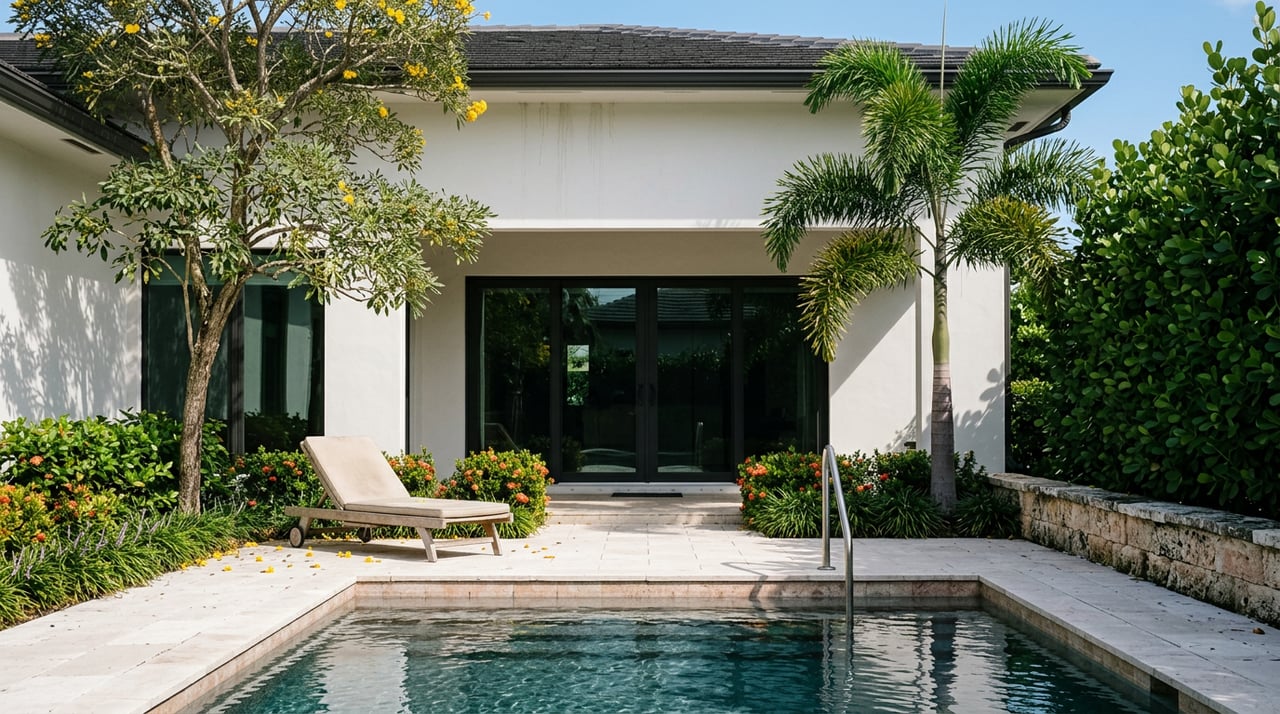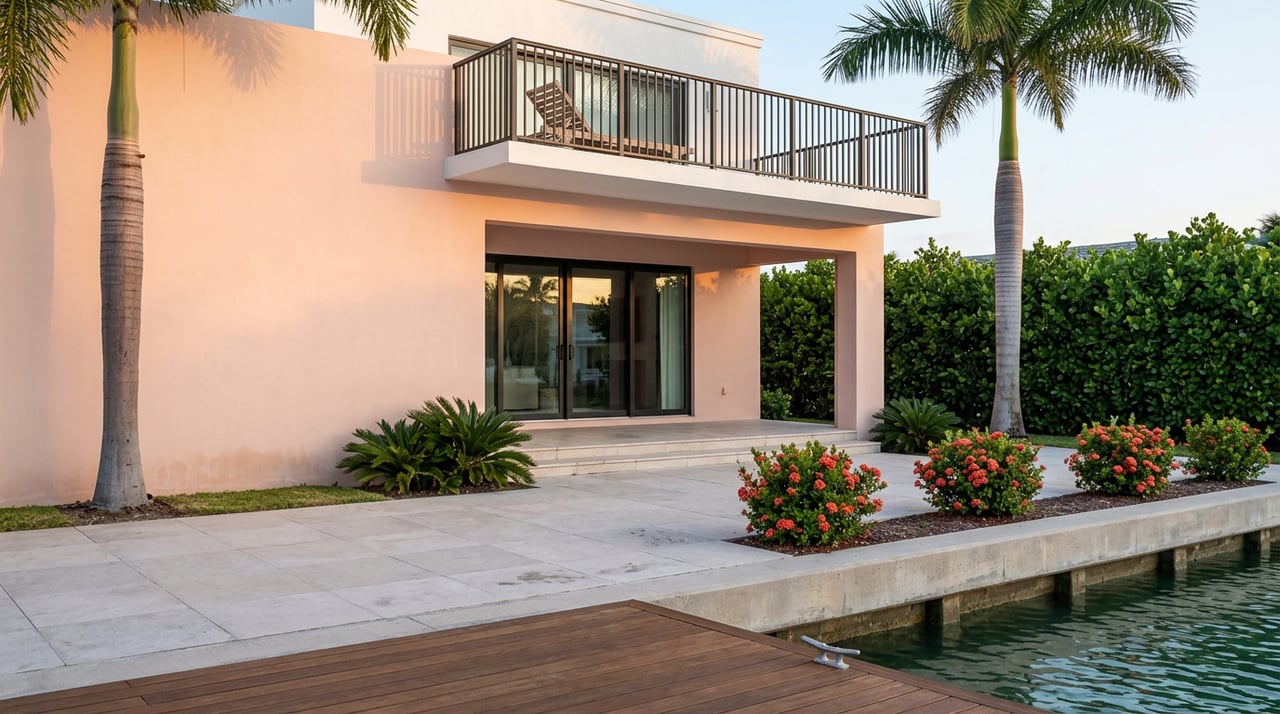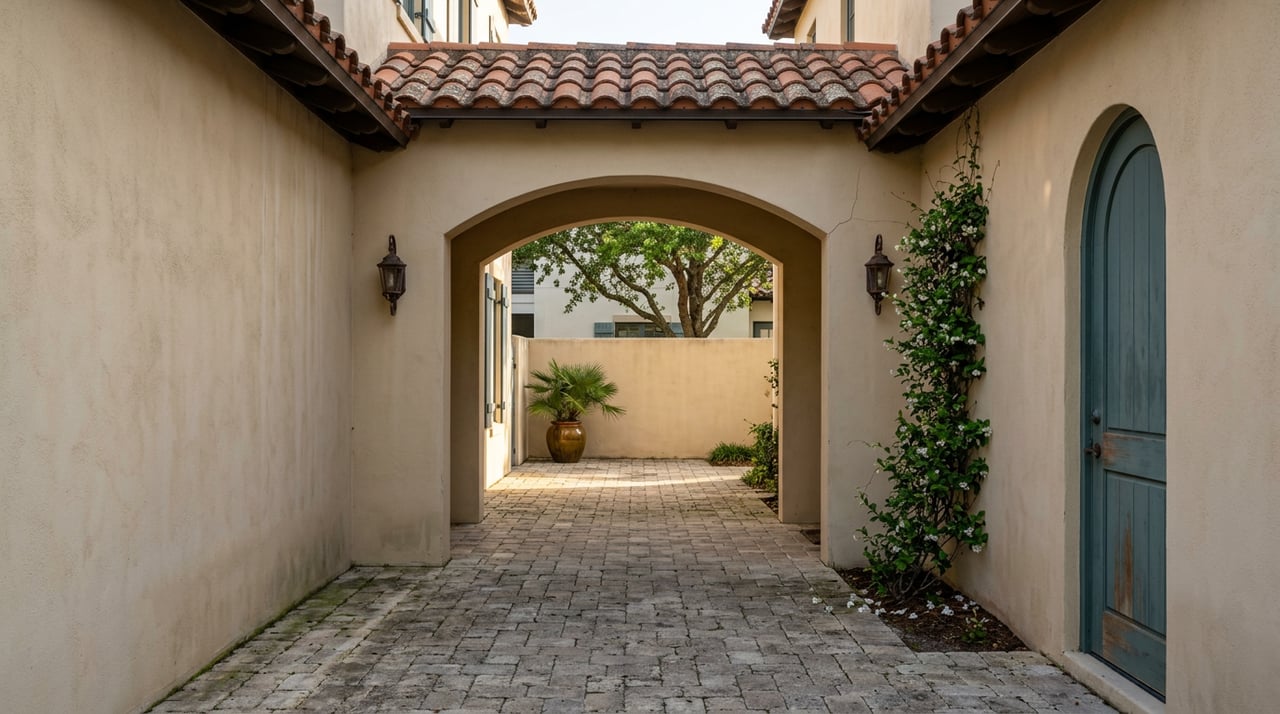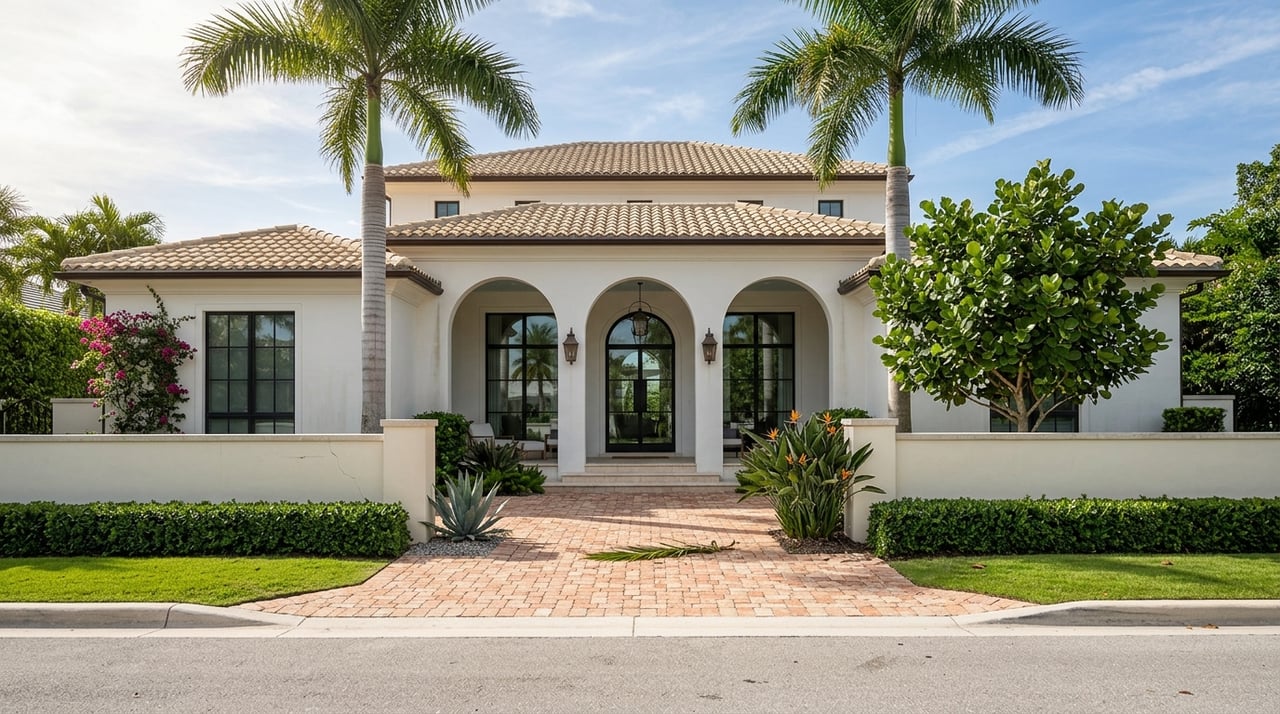
If you are thinking about living in Palm Beach, the biggest surprise may be this: it does not feel like a typical beach town. It feels more curated, more private, and more intentional day to day. If you want to understand whether that pace, setting, and structure fit your lifestyle, this guide will walk you through what daily life is really like on the island. Let’s dive in.
Palm Beach at a Glance
Palm Beach is a narrow barrier-island town that runs about eight miles from north to south and is mostly less than a quarter-mile wide. The year-round population is about 9,245, and town history materials note that roughly 20,000 additional people keep seasonal homes there during the winter months.
That shape and scale matter. You are not moving into a large, sprawling coastal city. You are moving into a compact island town with a strong sense of order, clear public rules, and a lifestyle shaped by the ocean on one side and the Intracoastal on the other.
Palm Beach Feels Highly Managed
One of the clearest things about Palm Beach is how much the town prioritizes preservation and quality of life. Official town planning materials focus on protecting small-town character, architectural consistency, historic commercial areas, and pedestrian-friendly routes while also managing traffic and parking.
In practical terms, that means Palm Beach often feels polished and carefully maintained. Streets, public spaces, beach access, and commercial areas reflect a town that pays close attention to appearance, movement, and daily experience.
For many buyers, that structure is part of the appeal. If you value scenery, order, and a more controlled environment, Palm Beach offers a very specific version of coastal living.
Daily Life Centers on the Outdoors
Outdoor access shapes everyday life here. The town reports 12 miles of beachfront, along with two public beaches that have year-round daily lifeguard coverage at Midtown Municipal Beach and Phipps Ocean Park.
The nearly six-mile Lake Trail is another major part of local routine. It stretches from the Royal Park Bridge to the North End and is used by walkers, joggers, and cyclists, giving residents a scenic path along the Intracoastal for exercise and fresh air.
Because the climate supports outdoor living for much of the year, many daily habits revolve around timing. You may find that mornings and evenings are the most comfortable for walks, bike rides, or beach time, especially during the hotter months.
Errands and Shopping Are More Convenient Than You Might Expect
Palm Beach may feel private, but it is not isolated. Many of the island’s dining and retail options are clustered in a few well-known areas, including Royal Poinciana Way, Worth Avenue, and The Royal Poinciana Plaza.
That concentration makes everyday outings feel more manageable. Depending on where you live on the island, you may be able to combine a coffee stop, a meal, and a few errands without a long drive.
At the same time, getting around comes with local patterns to learn. Palm Beach connects to West Palm Beach by three bridges, and drawbridge openings can affect traffic during busier travel periods.
Parking and Traffic Are Part of the Lifestyle
Palm Beach is pedestrian-friendly in many pockets, but it is also a town with very specific traffic and parking controls. Resident parking rules, timed meter zones, and location-specific parking areas are built into daily life.
This can feel like a small detail until you live there. On an island with concentrated retail areas and seasonal visitors, parking rules help preserve the residential atmosphere and manage congestion.
If you are considering a move, it helps to think beyond the home itself. Your typical route to the beach, trail, shops, marina, or bridge access can shape how convenient your day-to-day experience feels.
The Social Rhythm Is More Daytime Than Nightlife
Palm Beach has culture and activity, but not in the way some people expect from a coastal destination. The public-facing social calendar leans more toward exhibitions, concerts, lectures, films, gardens, shopping, dining, and planned events than toward a large late-night entertainment district.
The Society of the Four Arts is a good example of this rhythm. It offers exhibitions, concerts, films, lectures, library programming, children’s programs, and open gardens, all of which contribute to a steady daytime and early-evening cultural life.
The Flagler Museum and The Royal Poinciana Plaza also help define the island’s social pattern. Together, they support a lifestyle that often feels refined, scheduled, and experience-driven rather than spontaneous or high-energy late into the night.
Winter Brings a Different Pace
Seasonality is one of the biggest parts of living in Palm Beach. The town’s population increases significantly from November through April as seasonal residents return and tourism activity rises.
That shift changes the island’s feel. Winter often brings a busier social calendar, fuller restaurants and shops, and more traffic sensitivity, while summer can feel quieter and more relaxed.
Neither season is better for everyone. It really depends on whether you enjoy a livelier atmosphere with more activity or prefer a calmer stretch with fewer people and a slower daily pace.
Weather Shapes Your Routine
Palm Beach offers mild winters and hot, humid summers. Climate normals for nearby West Palm Beach International Airport show an average high of 74.7°F in January and 90.0°F in July, with 61.75 inches of annual precipitation and the wettest period concentrated in summer and early fall.
For residents, that usually means your schedule adapts with the seasons. Winter supports easy outdoor routines, while summer often calls for earlier walks, evening outings, and indoor breaks during the hottest part of the day.
If you love being outside, that is still a major part of the lifestyle. You just learn to work with the climate rather than against it.
Coastal Upkeep Is Part of Living Here
Palm Beach is beautiful, but it is also a barrier island shaped by wind, waves, and shifting sand. The town describes dunes as the first line of defense and continues active coastal-protection work that includes beach renourishment and dune restoration, especially in Midtown and the south end.
That means shoreline management is not an abstract policy issue. It is part of how the island functions and part of what supports long-term coastal living here.
For buyers, this is worth understanding from the start. Living in Palm Beach comes with the benefits of direct coastal access, but it also means living in a place where resilience and maintenance are part of the local reality.
How Different Parts of Palm Beach Feel
North End Feels More Residential
The North End tends to read as one of the most residential parts of Palm Beach. Town references to separate parking treatment for the area, along with Lake Trail access extending north, suggest a quieter environment with less commercial activity nearby.
If you are looking for more privacy and less day-to-day visitor traffic, this area may appeal to you. The lifestyle here often feels more focused on home, neighborhood streets, and routine outdoor movement.
Midtown Feels Most Active
Midtown is one of the island’s most active daytime areas. It is closely tied to shopping, dining, public beach access, and some of the parking and mobility rules that are most visible in daily life.
If you want walkable access to activity and a stronger connection to the island’s central rhythm, Midtown may feel convenient. It tends to suit buyers who enjoy being near the action during the day.
Worth Avenue Area Feels Central and Polished
The Worth Avenue core shares that same active energy, with a strong concentration of retail and dining nearby. This is one of the places where Palm Beach’s curated, polished public image feels especially visible.
For some residents, that centrality is a major plus. For others, it may feel a little busier than they want for everyday living, especially during the winter season.
South End Feels Recreation-Oriented
The south end is more closely associated with beach and recreation amenities. Phipps Ocean Park is a major anchor here, and town plans for the area include beach pavilions, lifeguard towers, bathroom facilities, educational walking paths, and upgraded tennis and pickleball amenities.
This part of the island is also closely tied to coastal resilience work. If beach access and recreation are high on your list, the south end offers a distinct lifestyle focus.
Intracoastal Side Feels More in Motion
The west side of the island along the Intracoastal has a different tempo. With the marina area, Lake Drive Park, and the Lake Trail, this side often feels more connected to movement, water access, and activity along the shoreline.
That does not mean it feels hectic. It simply offers a different kind of daily energy compared with quieter interior residential stretches or the ocean side.
Who Palm Beach Tends to Suit Best
Palm Beach tends to fit buyers who want a coastal lifestyle with structure, beauty, and a strong sense of place. It can be especially appealing if you value privacy, preserved surroundings, access to culture, and a more polished daily environment.
It may be less ideal if you want a casual, anything-goes beach town or a place with broad nightlife and easygoing traffic patterns year-round. Palm Beach is distinctive because it is intentional, and that intentionality shapes nearly every part of daily life.
If you are weighing a move, the right question is not just whether Palm Beach is beautiful. It is whether its rhythm matches the way you want to live.
If you are considering a move to Palm Beach or comparing different parts of the island, working with an advisor who understands both lifestyle fit and market strategy can make the process much clearer. For a private, high-touch conversation about your options, connect with David Cooke.
FAQs
What is everyday life like in Palm Beach?
- Everyday life in Palm Beach centers on outdoor access, a managed public environment, cultural venues, concentrated shopping and dining areas, and a seasonal rhythm that feels busier in winter and quieter in summer.
Is Palm Beach a walkable place to live?
- Some parts of Palm Beach are convenient for walking, especially near Worth Avenue, Midtown, Royal Poinciana Way, The Royal Poinciana Plaza, and along the nearly six-mile Lake Trail, but daily convenience depends on your location and the island’s parking and traffic patterns.
Does Palm Beach feel busy year-round?
- No. Palm Beach is strongly seasonal, with a much busier feel from November through April when seasonal residents return and tourism activity increases.
What is the weather like for living in Palm Beach?
- Palm Beach generally has mild winters and hot, humid summers, with nearby climate data showing an average high of 74.7°F in January and 90.0°F in July, plus the wettest stretch in summer and early fall.
Which areas of Palm Beach feel the most residential?
- The North End generally feels the most residential and private, while Midtown and the Worth Avenue area tend to feel more active during the day, the south end feels more recreation-focused, and the Intracoastal side often feels more connected to trail and marina activity.
What should buyers know about coastal living in Palm Beach?
- Buyers should know that Palm Beach is a barrier island where beach renourishment, dune restoration, and other coastal-protection efforts are part of everyday reality and long-term island maintenance.