By David Cooke Real Estate
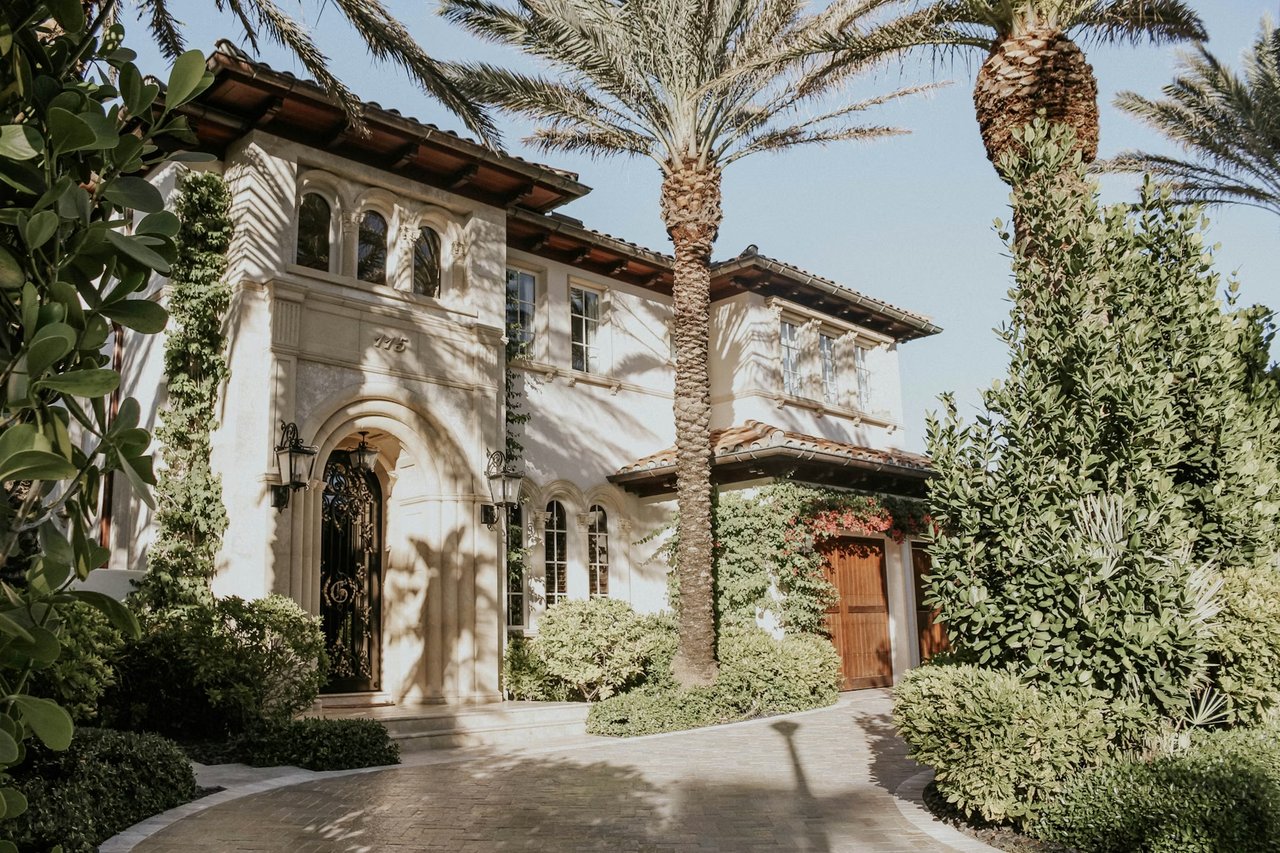
West Palm Beach's historic districts (El Cid, Flamingo Park, Northwood, and Old Northwood among them) attract a specific kind of buyer: someone who wants a home with bones that new construction simply can't replicate. Mediterranean Revival architecture, original hardwood floors, and streets lined with mature Royal Poincianas are hard to put a price on. What's equally important before making an offer in one of these neighborhoods is understanding what comes with that character beyond the aesthetics.
Key Takeaways
- Historic designation governs what exterior changes you can make (and how) before you ever break ground
- Older construction requires specialist inspections that go beyond what a standard buyer's due diligence covers
- Financing and insurance for historic homes in South Florida carry specific considerations worth addressing early
- Florida offers tax incentives for qualifying historic renovations that can meaningfully offset improvement costs
Know the Rules Before You Fall in Love With a Floor Plan
West Palm Beach's historic districts are overseen by the city's Historic Preservation Board, which must approve exterior changes visible from public rights-of-way. This matters most when a buyer has renovation plans — and many buyers in these districts do. The approval process isn't prohibitive, but it does add time and constrain material choices in ways that can affect both budget and timeline.
The key distinction to understand is interior versus exterior. Interior updates (kitchens, baths, finishes, layouts) are generally unrestricted. It's the outside of the home where the rules apply, and where buyers should direct their pre-offer due diligence.
What the Historic Preservation Board Typically Regulates
- Window and door replacement — original wood windows are often required to be repaired rather than swapped for vinyl or aluminum, which affects both cost and energy efficiency planning
- Additions and expansions must be designed to remain compatible in scale and materials with the original structure, even when the board requires them to be visually distinguishable from it
- Roofing material changes — barrel tile and flat roofs are common period-appropriate specifications; modern alternatives require board review and are not always approved
- Fencing, gates, and front yard hardscaping visible from the street, including driveway materials, fall under board jurisdiction in most of West Palm Beach's designated districts
What to Scrutinize During Inspection
Most of West Palm Beach's historic housing stock was built between the 1920s and 1950s; decades before current building codes, modern electrical standards, or contemporary plumbing materials existed. A generalist inspection covers the basics, but the systems most likely to carry high cost in these homes require eyes that know what pre-war construction looks like when it's failing versus when it's simply old.
Buyers who skip specialist reviews in this category sometimes discover mid-renovation that they've inherited a full re-pipe or electrical panel replacement that wasn't surfaced in the original inspection report.
Systems That Warrant Specialist Review in Historic Homes
- Electrical — knob-and-tube wiring and early panel configurations may require full replacement to satisfy current code and South Florida insurers, who apply additional scrutiny in this market
- Plumbing — cast iron drain lines are common in this era of construction and corrode in ways that are costly to address, particularly when they run beneath a slab foundation
- Roof framing and materials — original construction methods require evaluation by someone specifically familiar with pre-war structural approaches, not just current roofing standards
- Foundation and drainage — West Palm Beach's water table and soil composition make subsurface drainage assessment more consequential here than in many other markets
Financing, Insurance, and the Upside of Finite Supply
Historic homes in West Palm Beach don't always move through conventional financing and insurance channels without friction. South Florida insurers already scrutinize older properties closely, given the state's storm exposure, and non-standard construction can trigger additional underwriting requirements that catch unprepared buyers off guard late in the transaction.
The long-term case for these properties remains strong. Well-maintained homes in El Cid, Flamingo Park, and similar districts benefit from architectural character, mature landscaping, and a supply that isn't growing — a combination that has supported consistent appreciation over time.
Financial Considerations Specific to Historic Properties
- Insurance underwriting — original electrical panels, older roofs, and non-impact openings are the most common factors that affect premium levels and insurability in Palm Beach County
- Renovation cost planning — material matching, specialist labor, and the permitting process in historic districts push costs higher than comparable square footage in newer construction
- Florida's historic tax exemption — qualifying improvements to designated historic properties may be eligible for an ad valorem tax exemption, which can offset a meaningful portion of renovation investment
- Appraisal complexity — comparable sales in historic districts require an appraiser with specific neighborhood experience; using a generalist can create financing complications
Frequently Asked Questions
Can we update the interior of a historic home freely, or does designation affect that, too?
Interior changes are generally not regulated by the Historic Preservation Board, so kitchens, baths, and finishes can be updated without board approval. The restrictions apply to exterior elements visible from the street, which is where we focus buyer due diligence before an offer is made.
Are historic homes in West Palm Beach harder to insure?
They can be, particularly when original electrical, older roofing, or non-impact openings are present. We help buyers identify those variables early so insurance underwriting doesn't become a surprise after the contract is signed.
Do historic homes appreciate differently than newer construction here?
Well-located, well-maintained homes in El Cid, Flamingo Park, and similar districts have shown strong long-term appreciation. Architectural character, mature landscaping, and a fixed supply tend to support value, but condition and compliance with historic guidelines matter considerably in how individual properties perform.
Reach Out to David Cooke Real Estate Today
Buying in a historic district is a different process than a conventional purchase, and the details that matter most aren't always obvious until you're already under contract. We work with buyers across West Palm Beach's historic neighborhoods regularly and know what to look for, which specialists to bring in, and how to structure an offer that accounts for what a property actually requires.
Connect with us at David Cooke Real Estate to talk through what buying in one of West Palm Beach's historic districts looks like for your specific situation.